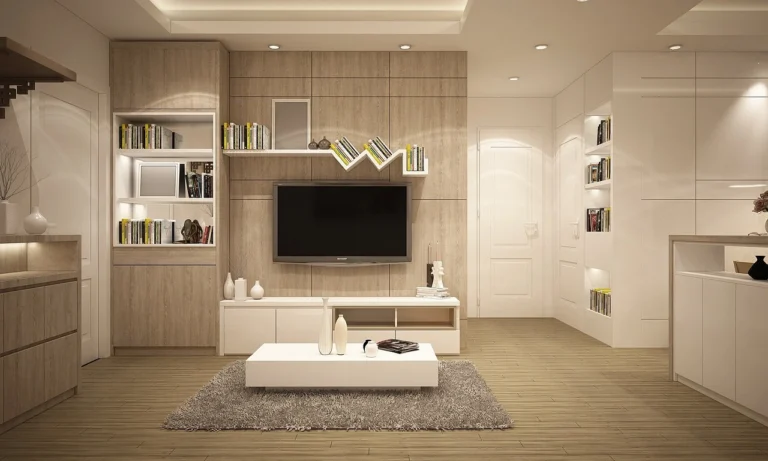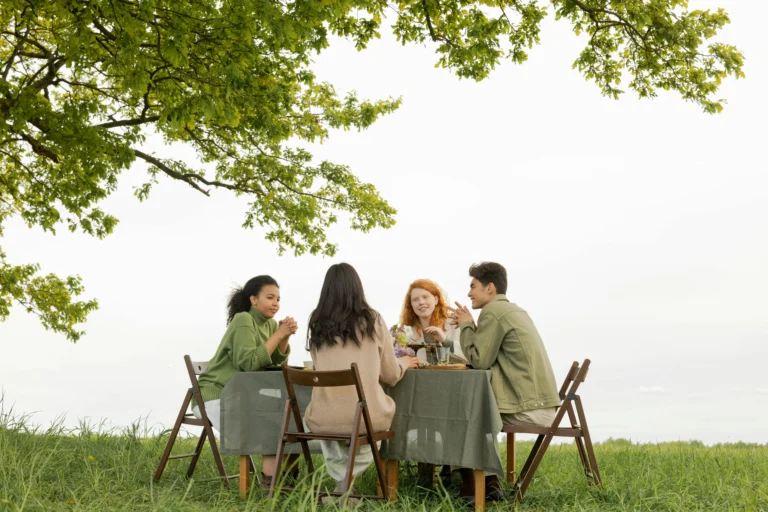

Homestead is much more than just bricks and mortar- four walls, a plot, and a ceiling- it is so much more an effective space, embedding all the memories we have, everything we have ever wanted to be secure, loved, and comforted. Home is more than a physical place—it is a feeling of belonging, comfort, and love. For some, it is the house filled with childhood memories; for others, it is a new space built with dreams and loved ones. Sometimes, home is not a location at all but an emotion—found in the embrace of a loved one, the laughter of old friends, or the peace of solitude.
Points to jump
Home has many meanings, and it is in the heart of the matter, the crossroad of life and where the heart finds rest, really-our freedom to be ourselves, judgment-free. It is where we nurture love, memories are created, and it is what we almost always long to return to.
Maya Angelou once stated,
“The ache for home lives in all of us, the safe place where we can go as we are and not be questioned.”
Homestead is never defined by square footage or intricate design, but rather a place where we can become more alive. A tiny box, a big home, someone—whatever the case may be, home is where our souls rest.
Homestead Is an Emotional Anchor
The memories of that first moment when I entered an apartment with blank walls, flooded with eerie sounds and such eternal loneliness, engulf me. Only when it wore surrogate family photographs on its walls, its kitchen was filled with my grandmother’s recipes, and its doors opened to my friends, did it become home to me.
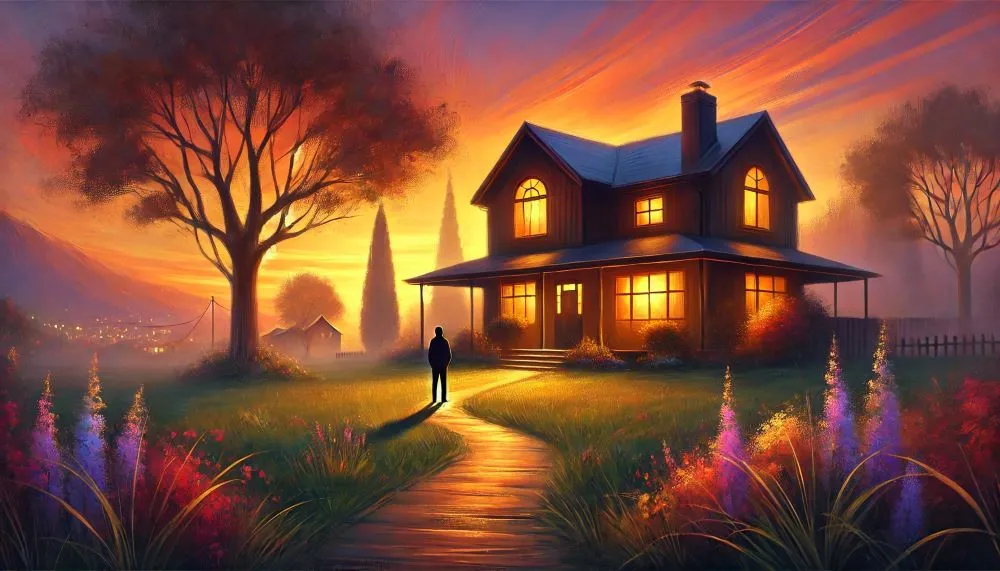
In that sense, after so many years of not being there, it was not the architecture of my childhood home that welcomed me back. It was the memories it held within. The faint sounds of laughter, the creaking of the wooden floor that I had always been used to, and the smell of my mom’s cooking-now they all turned this house into my home, a part of me.
Home as a Feeling of Belonging
It is said that houses can be built in a few days, but it takes years to make a home. A true homestead doesn’t have size or luxuries, but is filled with warmth and love inside its small space; acceptance, value, and understanding. The smallest moment anywhere from laughter of family, presence of a loving pet, or aroma of home-cooked meals, are treasured and transform a house into a true home.
Home is also made up of the relations, we, the people who give that feeling of security, as well as support. The place where we can be our true selves without being judged, this is what makes a home irreplaceable.
Homestead in a Changing World
In a rapidly changing digital world, home is undergoing its own changes. Thanks to telecommuting, globe jaunts, and transforming lifestyles, a home is being defined in a variety of senses by various people. Some find home in different places, while others carve out digital realms that can be as soothing as the physical.
Minimalistic lifestyles and intentional living are changing one’s sense of home. Instead of concerning themselves with possessions, many people are now choosing to focus on experience, relationships, and emotional well-being, thus creating a home in any location they occupy.
Personal Experience: The House That Became a Home
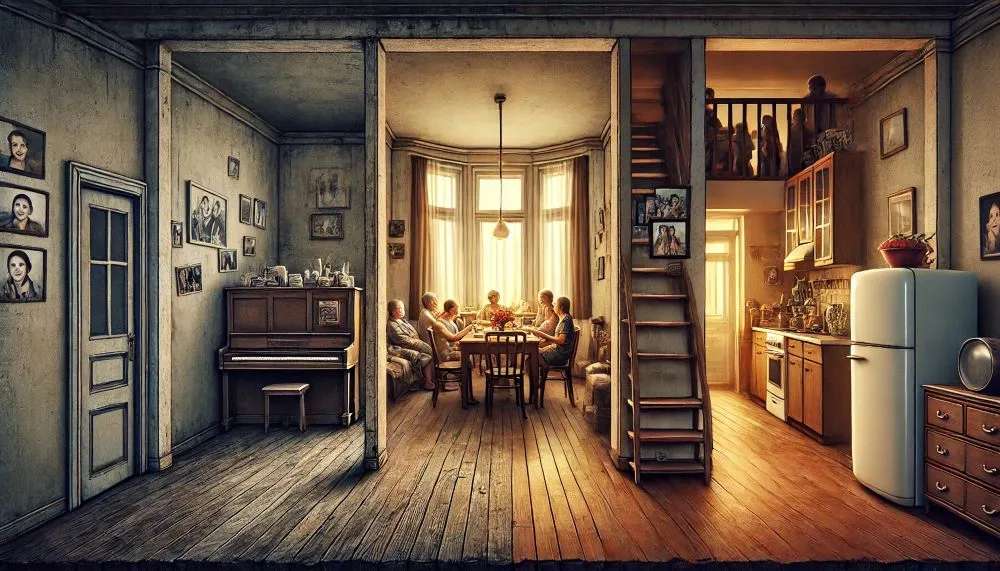
The memories of the first time I walked into an apartment with bare walls, plenty of strange sounds, and an ever-present feeling of loneliness come flooding to my mind. Only when family pictures adorned its walls, the kitchen was filled with my grandmother’s recipes, and friends were welcomed in did it feel like home to me.
In the same spirit, after long years of absence, it was not the architecture of my childhood house that welcomed me. It was the memory it held within. The faint sounds of laughter, the creaking of the wooden floor I had always been used to, the smell of my mom’s cooking—these made it more than just a house; it became a part of me.
What defines a true home?
1. A true home is a tranquil and secure pit stop, a haven of safety and relaxation in which you feel at peace within and without.
2. A true home holds your personality and values—the very space that’s cluttered with meaningful things in colors and designs that resonate with you.
3. Love and connection flourish within those four walls, binding you tightly to family, friends, or even a pet.
4. A true home provides a sense of belonging; it is a setting where you can be yourself and embrace solitude alongside company.
5. The feel of a true homestead embraces growth and happiness, encouraging your dreams, maintaining your wellness, and reliving moments to relish your life.
Home as a reflection of identity
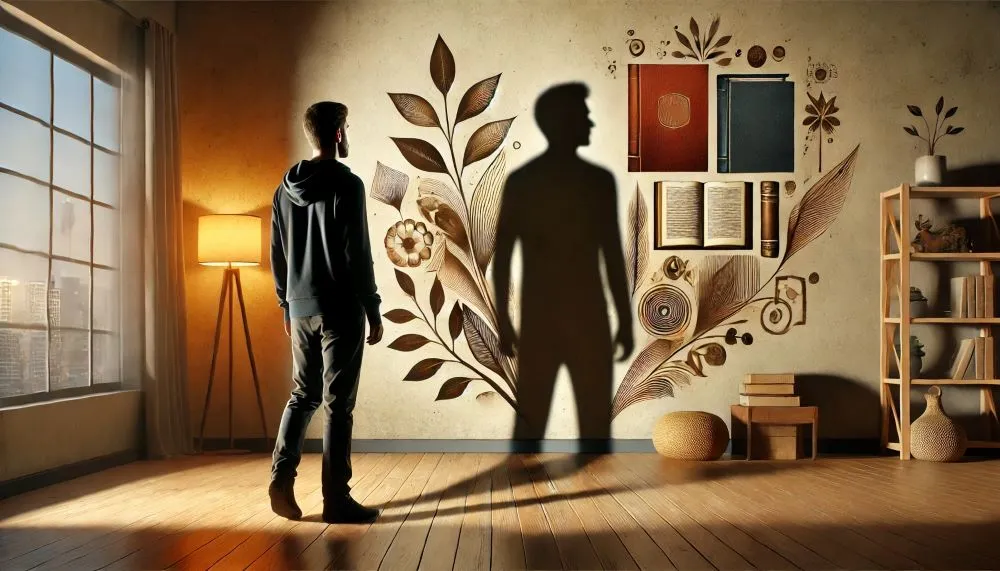
Homestead is the place where you spend your life; it is in your hands to make or decorate it. It doesn’t matter whether the house is small or big; it just needs to be decorated in a good way, or it’s a reflection of who you are. My personal experience is that if we decorate our house according to our personality, we will never get bored at home. According to psychology, home is the place where you find peace. Creating your own space doesn’t mean you have to be an interior design expert. It’s about putting your personality into every corner that will make your home feel less like a structure and more like a sanctuary.
Role of relationships in creating a homestead
A house becomes a true homestead not just through its design and décor but through the relationships and connections within it. The presence of family, friends, and loved ones fills a space with warmth, love, and shared memories. Laughter at the dinner table, heartfelt conversations, and everyday moments of care and support create a sense of belonging. Even for those living alone, connections with neighbors, friends, and pets contribute to the feeling of home. Ultimately, it is the relationships we nurture that transform a physical space into a place of comfort, security, and emotional attachment.
Pros and Cons of the Homestead Lifestyle
🌿 Pros
- Sustainable, Self-Sufficient Living: Homesteading encourages growing your own food, reducing waste, using renewable resources, and living in harmony with nature.
- Personal Fulfillment & Skill Growth: You learn hands-on skills like gardening, animal care, preservation, and home maintenance, which build confidence and capability.
- Environmental Benefits: Homesteads often use eco-friendly practices that help protect land, conserve water, and lower carbon impact.
- Healthier Lifestyle: Homegrown food and physical activity lead to improved nutrition and physical well-being.
- Financial Savings & Income Potential: Reducing grocery and consumption costs and selling produce or crafts can provide extra income.
⚠️ Cons
- Time & Labor Intensive: Homesteading requires daily attention, long hours, and significant effort.
- Upfront Costs: Buying land, tools, livestock, and infrastructure can be expensive.
- Learning Curve: Tools, farming, animal care, and energy systems take time and patience to master.
- Isolation & Social Tradeoffs: Rural life can be secluded and distant from urban cultural amenities.
- Unpredictable Risks: Weather, pests, crop failures, and other natural factors can impact yields and success.
Home Is Where the Heart Is
Homestead is not several walls, sizes, or even location; it is a definition of where the soul feels at ease. It is the arms of a loved one, it is laughter shared with old friends, it is quiet comfort in the sense of belonging. Home is not just a place we live in; it is an emotion we carry with us, shaped by love, memories, and those who made life meaningful. In short, whatever distance life takes us from home, home is never too far-it resides within the heart, in moments, and in bonds that keep us whole.
FAQ’S
1. What is homesteading beyond four walls?
Homesteading goes beyond a physical home — it’s a lifestyle of intentional self-sufficiency where you produce your own food, manage your resources, and connect with land and community for long-term resilience.
2. Why are people returning to homestead lifestyles today?
Modern homesteading appeals due to sustainability, desire for independence from industrial systems, better health, and a deep connection with nature.
3. What are the psychological benefits of homesteading?
Homesteading can improve mental well-being by fostering purpose, patience, connection with nature, and community engagement.
4. Can homesteading save money?
Yes — homegrown food, reduced reliance on store supplies, and DIY production can cut costs and even create income opportunities.
5. Is homesteading only for rural areas?
No — principles of homesteading (gardening, food preservation, sustainability) can be applied in urban or small-space settings too.

Hi, I’m the author of Decortipz — the creative voice behind the platform.I’m a passionate interior design enthusiast and student who loves combining creativity with real-world practicality to create modern, affordable, and stylish living spaces. From cozy living room makeovers and small apartment gardens to smart storage solutions, I focus on ideas that actually work in everyday homes.
Through Decortipz, my goal is to inspire homeowners and renters alike with easy-to-follow design tips, thoughtful insights, and up-to-date decor trends. I believe every space—no matter the size or budget—has the potential to feel beautiful, functional, and personal. Join me as we turn ordinary spaces into homes that truly shine.